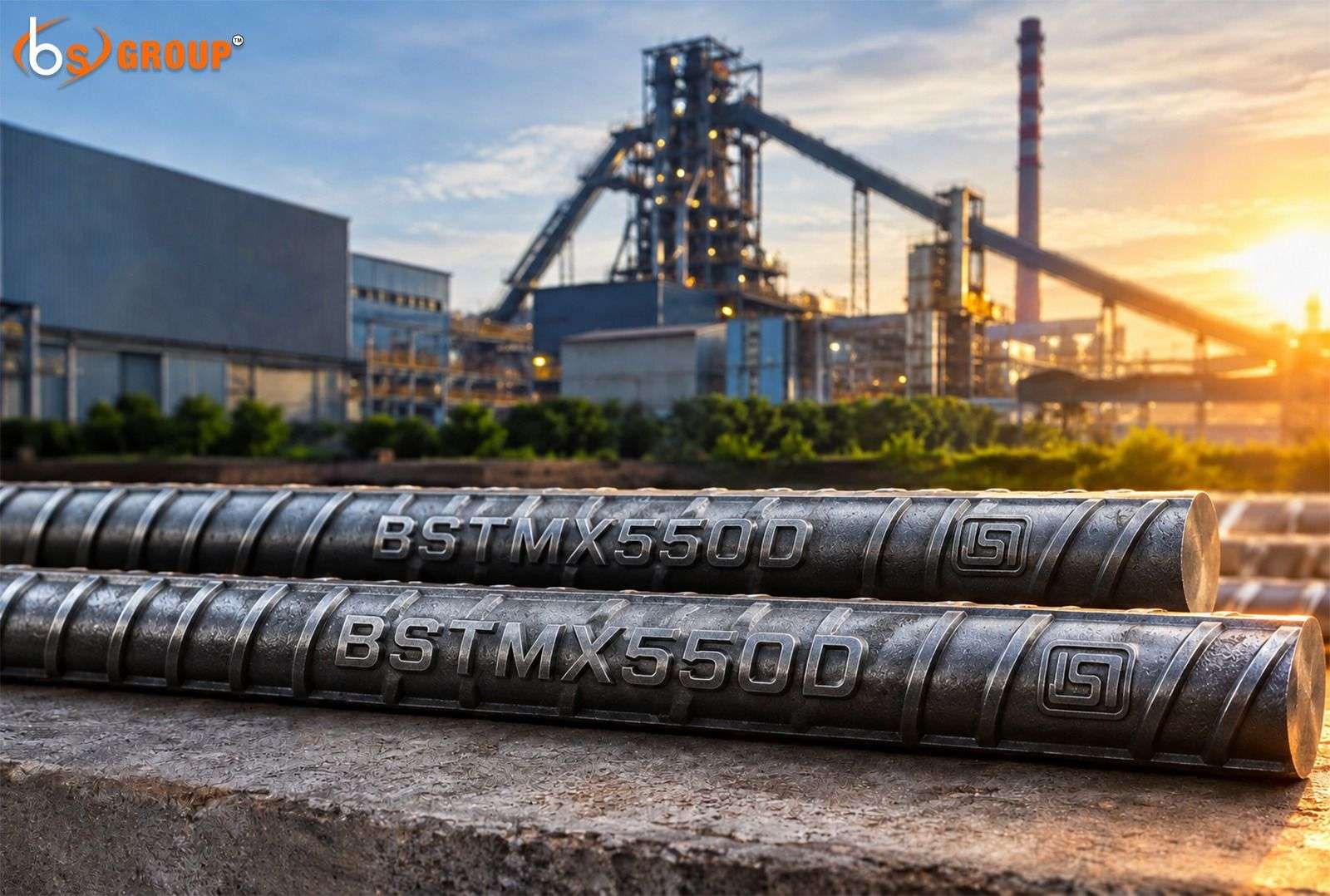
India’s steel sector recorded strong growth between April and July 2026, according to the latest data released by the Ministry of Steel. Crude steel production touched 56.3 million tonnes, up 2.6% year-on-year, while finished steel production climbed to 54.3 million tonnes, marking a 4% increase. For Chhattisgarh’s construction industry, this national growth story has direct implications—from steel availability to pricing trends that builders, contractors, and developers need to watch closely.
India’s Steel Numbers: A Quick Look
The Ministry of Steel’s data paints a picture of a sector on solid footing. Finished steel consumption across the country rose 7.8% to 55.9 million tonnes during these four months, driven largely by demand from big-ticket infrastructure projects in highways, railways, and ports. Exports also surged by 35% in quantity terms, showing that Indian steel is finding strong demand both at home and abroad. Retail prices of steel products, including TMT bars, moderated slightly in July compared to June but remained noticeably higher than the same period last year.
Why Is This Growth Happening?
The primary driver behind this steady rise is India’s continued push on infrastructure development. Government spending on highways, railway expansion, and port modernisation has created sustained demand for steel across multiple product categories. Public sector players like SAIL have also reported strong quarterly performance, reflecting healthy demand across the value chain. This kind of broad-based growth — spanning production, consumption, and exports — signals a construction and infrastructure cycle that shows no signs of slowing down anytime soon.
What This Means for Chhattisgarh’s Construction Sector
Chhattisgarh has long been a key steel-producing state, and this national growth trend is reflected directly in local market dynamics. As overall steel demand rises across India, local buyers—from individual homeowners to large contractors—should expect steel and TMT bar prices to remain firm, even with month-to-month fluctuations. Builders working on residential or commercial projects in Raigarh, Bilaspur, Durg, and other parts of the state should factor this trend into their material procurement planning.
For contractors managing large-scale projects, this is also a good time to review supplier relationships. With demand rising nationally, ensuring a steady, reliable local supply chain becomes even more important than chasing the lowest quoted price, since availability and consistency can directly affect project timelines.
Conclusion
India’s steel sector’s performance in April–July 2026 reflects a broader trend of steady, infrastructure-led growth that is expected to continue as the country moves toward its long-term production targets. For Chhattisgarh’s construction industry, this means staying informed, planning material procurement early, and partnering with reliable local suppliers who can ensure consistent quality and supply, regardless of how national market conditions shift.