TMT Bar Bend Test Guide: The Most Reliable Way to Check Quality
One question is more important than any other when purchasing steel for your home or construction project in Chhattisgarh: Is this TMT bar truly strong enough? Every buyer, contractor, and engineer can benefit from a TMT bar bend test guide in this situation. One of the easiest and most accurate methods to determine whether a TMT bar can withstand stress without splitting or breaking is to do a bend test. Knowing how to check the quality of TMT bars before building starts might prevent serious structural issues down the road in a place like Chhattisgarh, where work is picking up speed in Raigarh, Bilaspur, and Durg.
What Is a Bend Test?
A bend test determines how far a TMT bar can bend without exhibiting surface cracks. The bar is bent around a mandrel with a predetermined diameter at a certain angle, typically 180 degrees for standard testing. The bar passes the test if it bends smoothly and shows no signs of cracking or fracturing. Cracks indicate that the bar is not ductile enough to be used safely in construction.
This test is crucial since TMT bars must flex under strain, particularly during earthquakes, heavy loads, or ground movement, in addition to being robust in a straight line. For any building, a bar that breaks rather than bends poses a major concern.
Why the Bend Test Matters for Chhattisgarh Construction
TMT bars are essential for RCC work, foundations, and structural framing in Chhattisgarh’s construction industry, which includes anything from industrial buildings throughout the state to residential residences in Raigarh. Over time, local climatic conditions, such as intense monsoon rainfall, put additional strain on buildings. Contractors and homeowners can feel secure knowing that a TMT bar that has passed a thorough bend test will support the structure not only in ideal lab settings but also in real-world situations.
Due to ignorance or mistrust of the vendor, many buyers in Chhattisgarh’s smaller towns and semi-urban areas sometimes omit this verification step. This is precisely where issues start; subpar bars may appear to be the same as authentic ones but perform poorly in tests.
How the Bend Test Is Conducted
- Sample Selection – A TMT bar sample is cut from the batch to be tested.
- Setting the Mandrel – The bar is placed around a mandrel of a size specified by BIS standards (IS 1786).
- Bending the Bar – The bar is bent to the required angle, often 180 degrees.
- Visual Inspection – The bent portion is examined closely for cracks, fractures, or surface damage.
- Result – No cracks mean the bar has passed; visible cracks mean it has failed and should not be used.
Signs of a Good Quality TMT Bar
- Smooth bending without surface cracks
- Consistent bar diameter and rib pattern
- ISI certification mark and BIS compliance
- Manufacturer details clearly printed on the bar
Common Mistakes Buyers Make
Many consumers don’t ask for test certifications or independently evaluate the bend quality of TMT bars; instead, they look at the price and appearance. This may result in the use of inferior bars, which may appear good at first but pose long-term safety hazards. Before making a large purchase, always request test results and BIS certification from your supplier.
Conclusion
A bend test is a simple yet effective way to ensure the longevity and safety of your whole building project. Understanding this test and demanding appropriate verification will help contractors and homeowners in Chhattisgarh avoid costly, hazardous errors in the future. Quality should always be tested rather than accepted.
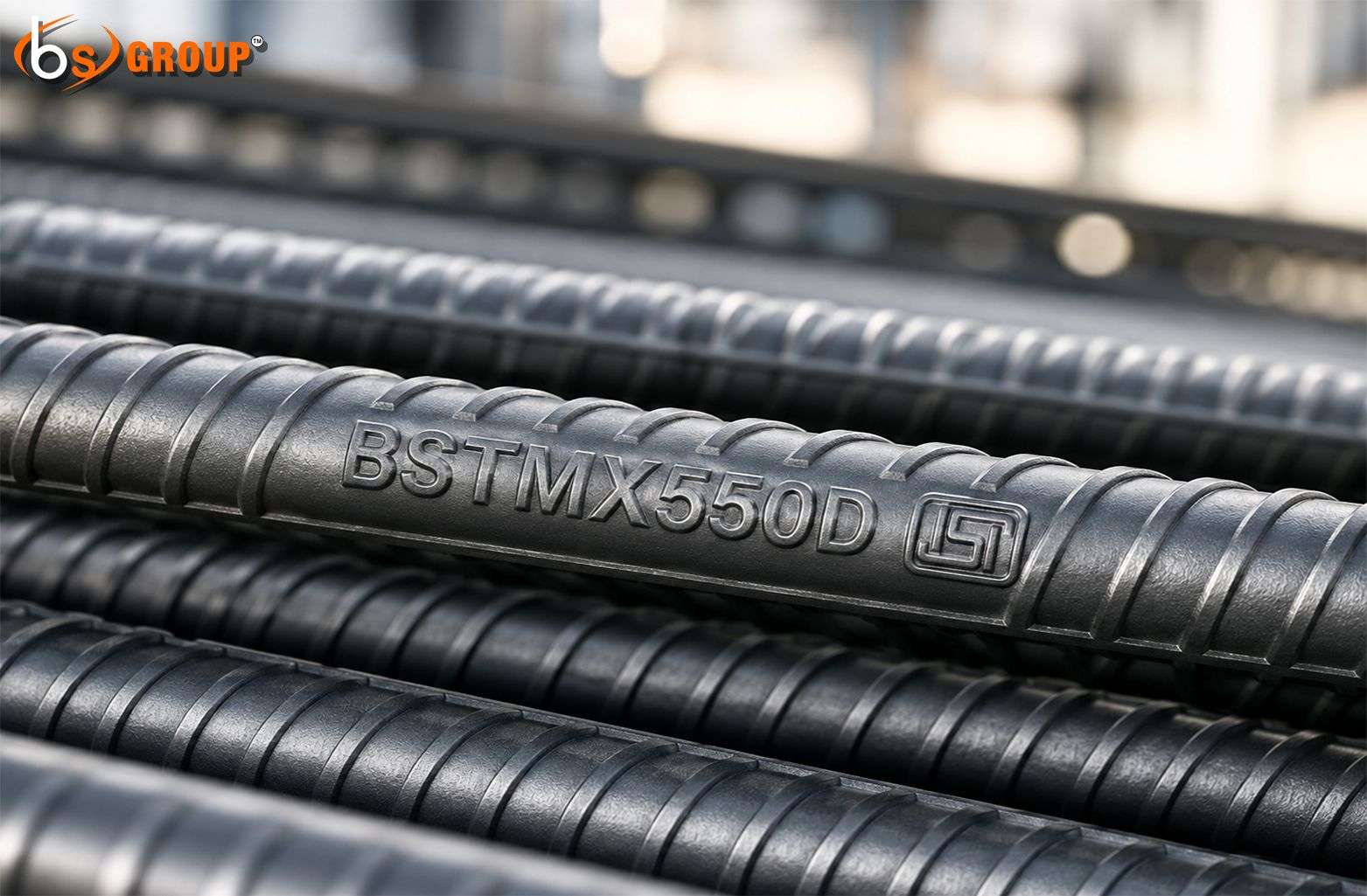
For this reason, BS Group is still regarded as a reliable brand in the production of TMT bars in Madhya Pradesh, Odisha, and Chhattisgarh. Our BSTMX 550D TMT bars satisfy BIS requirements, including dependable bend test performance, and are produced under stringent quality control. For TMT bars that are tested, certified, and long-lasting, pick BS Group whether you’re building a house or a big project.
Similar Blogs:-
Quality Standards to Check Before Buying MS Pipes from Any Supplier in Chhattisgarh
How to Identify Genuine TMT Bars from Certification, Branding, and Packaging Clues